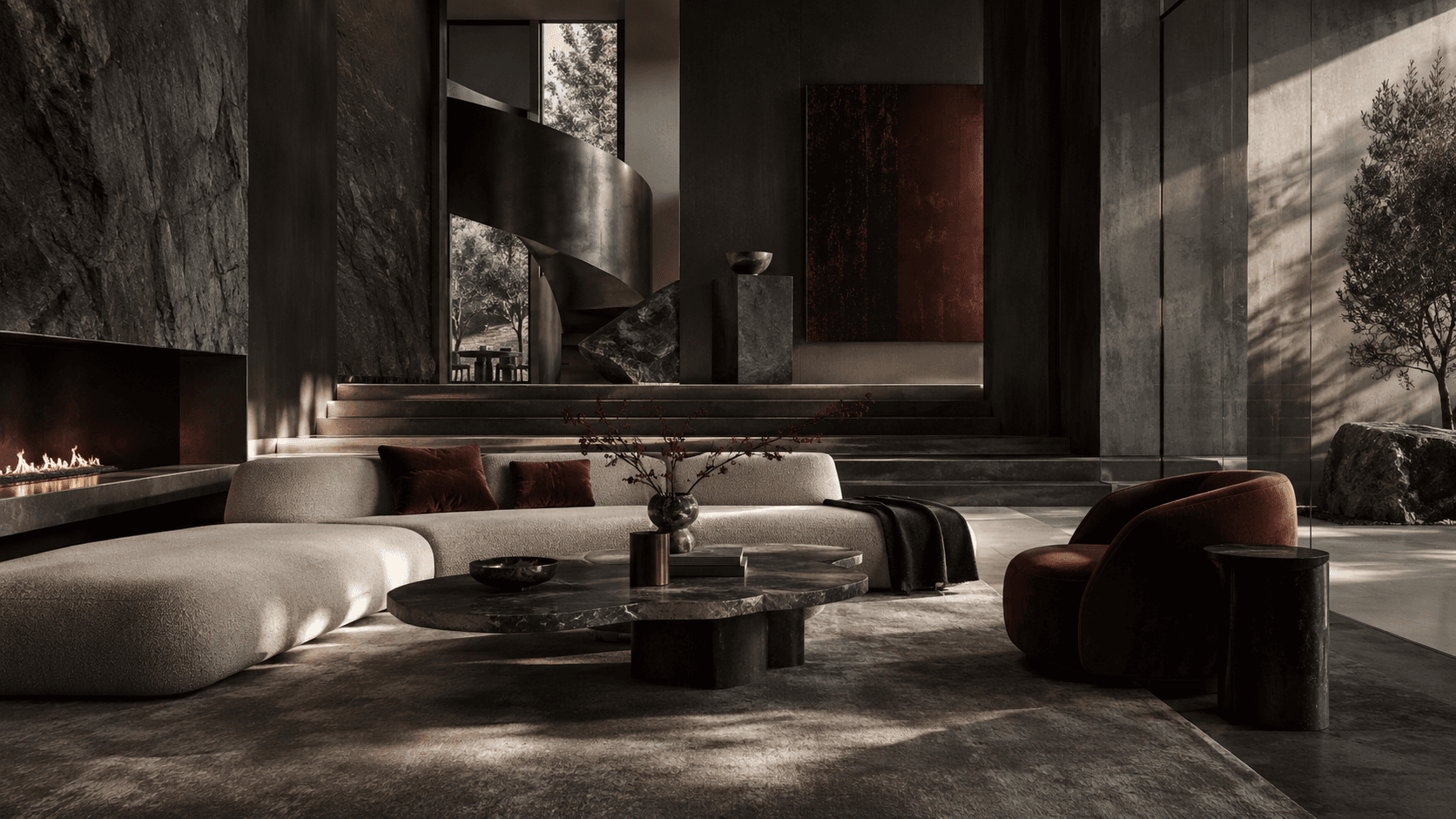
A studio should not wait indefinitely for a perfect photographic archive. It should also never disguise stock imagery, renders or inherited work as completed commissions. The responsible middle ground is an evidence-led website: show the strongest material available, label its status precisely and use drawings, decisions and process to prove what finished photography cannot yet carry.
01 / AUDIT THE EVIDENCE
Create a simple project sheet before touching the website. For every project, record status, type, location, your exact role, client permission, photographer, image licence, available plans, sketches, material studies, site images and missing shots. Mark each item approved, pending or unusable. This exposes the real constraint. Most studios do not have only a photography problem; they have an unorganised evidence problem.
02 / CLEAR RIGHTS FIRST
Paying for a shoot does not necessarily transfer copyright, and finding an image online does not make it available for commercial use. Confirm in writing who owns each image, which website and promotional uses are licensed, whether credits are required and whether the client permits publication of the space. Keep that record beside the asset. If permission is uncertain, do not design the page around it.
03 / BUILD ONE ANCHOR STORY
One convincing case study is more valuable than six incomplete galleries. Choose the project closest to the work the studio wants next. Establish the brief, scope, constraints, your contribution and a small number of important decisions. Sequence the best available wide views, details and process evidence around that argument. The goal is not to make the project look larger; it is to make the studio’s judgement legible.
04 / PUBLISH WORK IN PROGRESS
An unfinished project can still prove expertise when its status is explicit. Use dated site photographs, approved plans, elevations, material palettes, mock-ups and concise decision notes. Explain what has been resolved, what remains provisional and what the studio is responsible for. Never write an outcome before it exists. A well-documented live project can reveal more thinking than a silent photograph of a finished room.
05 / LABEL INHERITED WORK
Work completed while employed by another practice needs more than a discreet credit. Obtain permission, name the original studio and describe your personal responsibility precisely: concept support, FF&E, documentation, project management or another defined contribution. Do not imply ownership of the entire commission. If the context cannot be explained without confusion or breach of an agreement, leave the project out.
06 / USE CONCEPTS HONESTLY
Self-directed concepts and renders are useful when they demonstrate the kind of thinking the studio wants to sell. Label them as concept, speculative or unbuilt at the index and project level—not in a footnote. Show the question, assumptions, process and limits. Do not invent a client, brief, testimonial or result. A clearly framed concept demonstrates initiative; an ambiguous one creates a trust problem.
07 / REPLACE MISSING VIEWS WITH THINKING
When finished images are limited, do not repeat the same room at several crops. Add only evidence that changes understanding: an annotated plan, before condition, circulation diagram, joinery detail, material comparison or installation sequence. Captions should explain the decision or constraint rather than describe what the visitor can already see. Substance compensates for image quantity; decoration does not.
08 / KEEP STOCK IN ITS PLACE
Stock imagery may support an editorial article or establish a temporary atmosphere when it is licensed and not misleading. It should not appear inside a project case study or imply the studio designed the pictured space. Generic luxury rooms weaken differentiation because they prove somebody’s taste, not your authorship. If the choice is between honest typography and borrowed project imagery, choose typography.
09 / PLAN THE NEXT SHOOT BACKWARDS
Write the future case study before commissioning photography. List the arrival view, spatial relationships, hero rooms, crafted details and problem-solving evidence the story requires. Share the list with the photographer while leaving room for their judgement. Confirm licensing, credit, client approval, crops and delivery formats in advance. Photography becomes more valuable when commissioned as business evidence rather than a folder of beautiful images.
10 / SHIP A SMALLER TRUTH
Launch with one anchor project, two or three clearly labelled supporting studies and an explicit publishing plan. Use a flexible system that allows different evidence combinations instead of forcing every project into the same gallery. Set owners and dates for permissions, copy and future shoots. A small truthful portfolio can grow. A visually inflated one begins by spending the trust the website is meant to earn.